
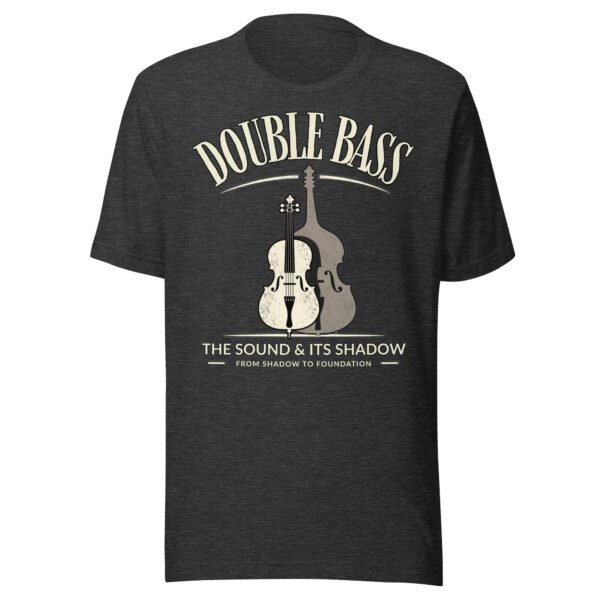
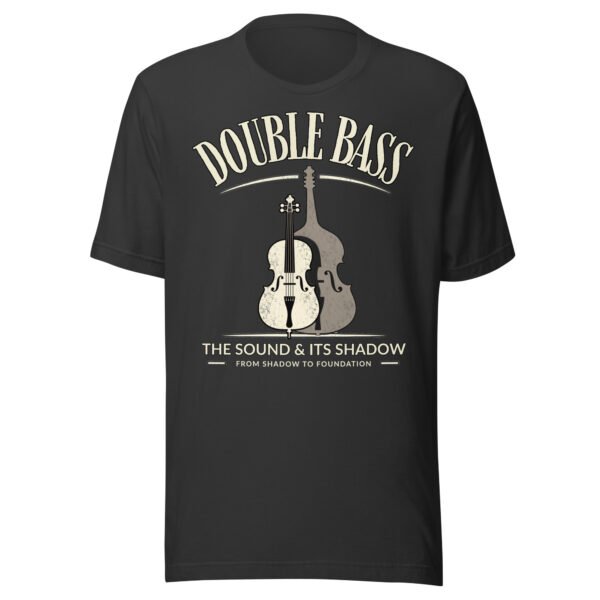
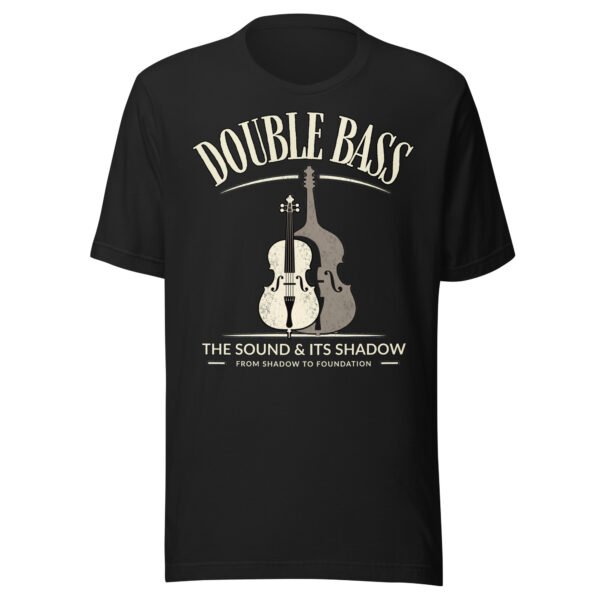



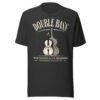

The Double Bass
The double bass occupies a distinctive position within the history of bowed string instruments. Although it is commonly grouped with the violin, viola and cello, its construction is historically hybrid, combining characteristics associated with both the viola da gamba and violin families. Early large bass instruments existed in a wide variety of sizes, tunings and numbers of strings before the modern double bass gradually took shape.
Its role in the orchestra was also initially less independent than that of the cello.
From the Baroque period onward, it became increasingly common for the cello and double bass to perform the same bass line, with the double bass sounding an octave below the cello. This combination provided the fundamental bass of the ensemble: the cello supplied greater definition and upper partials, while the much larger double bass added depth, resonance and weight.
This historical practice is one of the reasons the relationship between cello and double bass is so fundamental to understanding the instrument’s development. It is also important to distinguish the musical function from a simplistic definition of its name: the term double bass is associated with the instrument’s role in doubling the bass line, while its actual history involves several different bass instruments, tunings and construction traditions.
Beethoven and the independent bass
During the Classical period, the double bass gradually began to acquire a more independent role.
Ludwig van Beethoven was particularly significant in this process. In his orchestral writing, the double bass increasingly moved beyond simply reinforcing the cello. His music contains passages in which the lower strings become more exposed, technically demanding and structurally important. The Vienna Symphonic Library describes this development as a gradual emancipation of the double bass from the cello in Beethoven’s music.
The Third Movement of Symphony No. 5 in C minor, Op. 67 is one of the best-known examples in the orchestral repertoire. The rapid opening material for cellos and double basses became a standard orchestral passage for bass players and illustrates the increasing technical demands placed on the lower strings.
The opening of the Fourth Movement of Symphony No. 9 in D minor, Op. 125 provides another important example. After the dramatic conclusion of the third movement, the cellos and double basses introduce the famous instrumental recitative before the principal theme emerges and the vocal forces eventually enter.
The development was not purely compositional. Changes in the instrument itself also made greater technical demands possible. During the 17th and 18th centuries, wound strings helped make the extremely low register more practical, while mechanical tuning systems developed in the 18th century made the high string tension easier to manage. Three-string instruments were common during the Classical period; four-string instruments gradually became standard during the 19th century.
Dragonetti and the virtuoso double bass
The transition toward an independent musical identity can also be seen in the career of Domenico Dragonetti, one of the most influential double bass virtuosos of the late 18th and early 19th centuries.
Dragonetti demonstrated that the instrument could function as more than an orchestral foundation. His concert works and virtuoso playing contributed to the development of a distinct double-bass repertoire at a time when the instrument was still commonly regarded primarily as part of the basso foundation.
During the 19th century, the instrument continued to expand its technical and expressive vocabulary. By the Romantic period and later, composers increasingly used the double bass for independent lines, distinctive timbres and passages in its higher register. Composers including Richard Strauss, Maurice Ravel and Igor Stravinsky made use of these possibilities.
The double bass would eventually acquire another musical identity in jazz, where its role changed again: from providing the fundamental bass to participating actively in the rhythmic and melodic language of the ensemble. The walking bass line became one of its defining functions in later jazz styles.
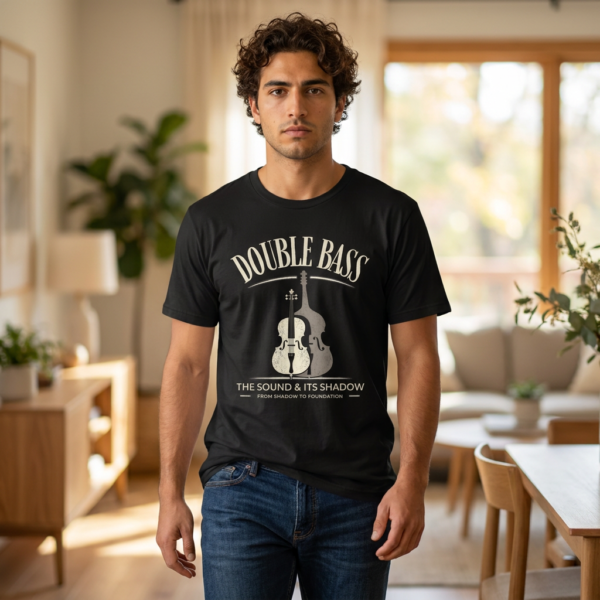
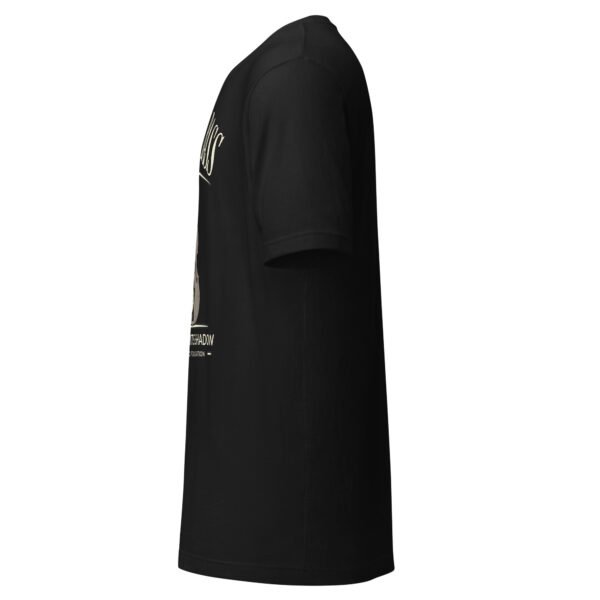
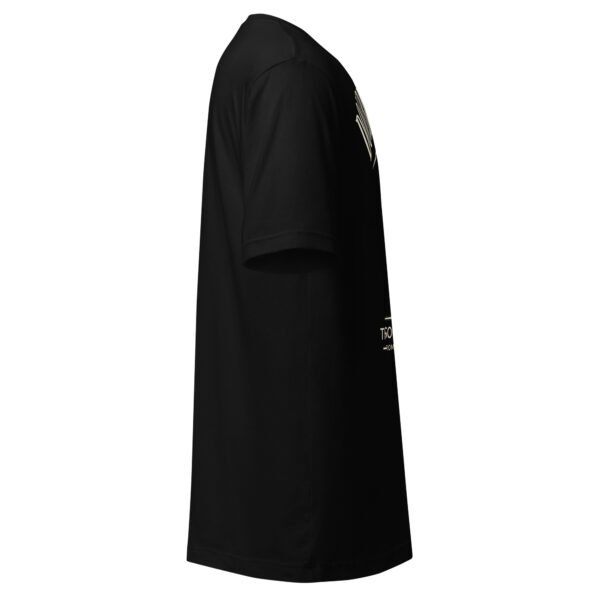
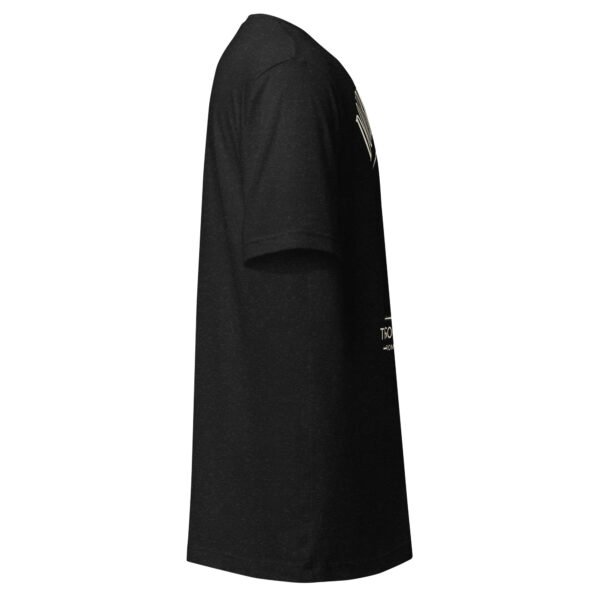
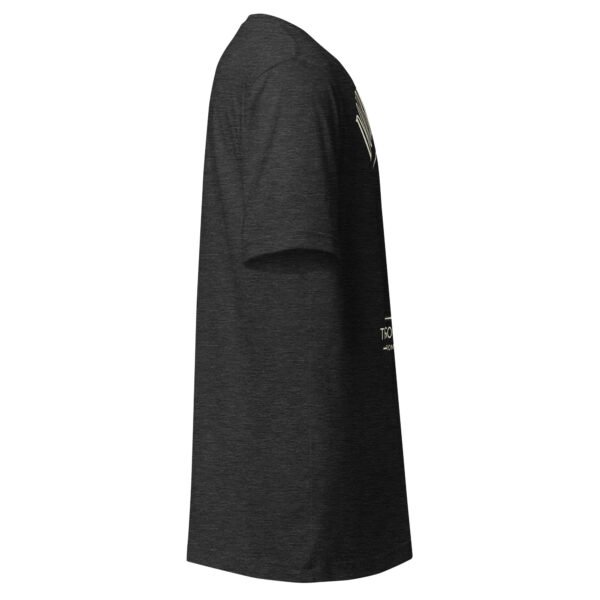
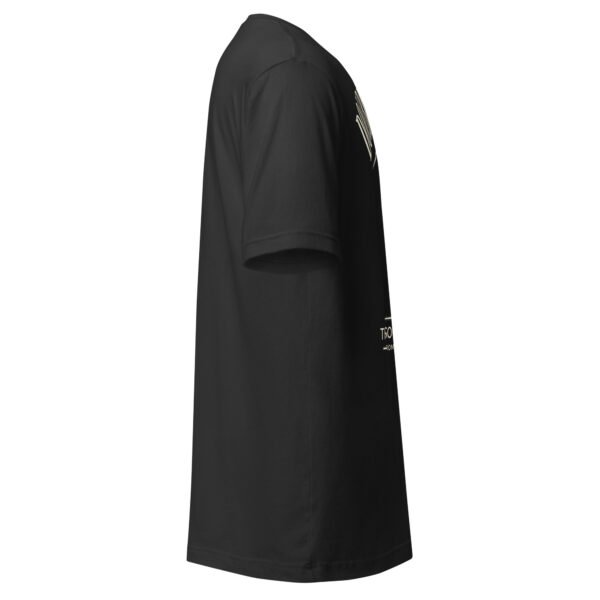
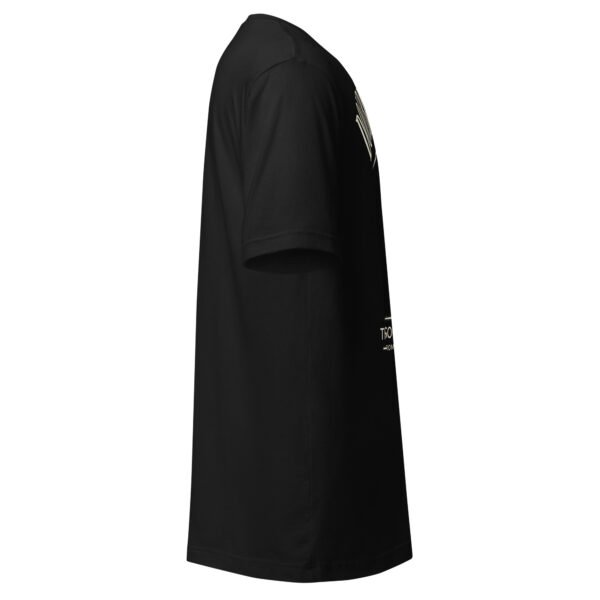
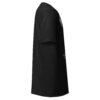
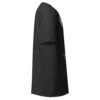
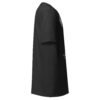
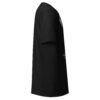
Garment Details
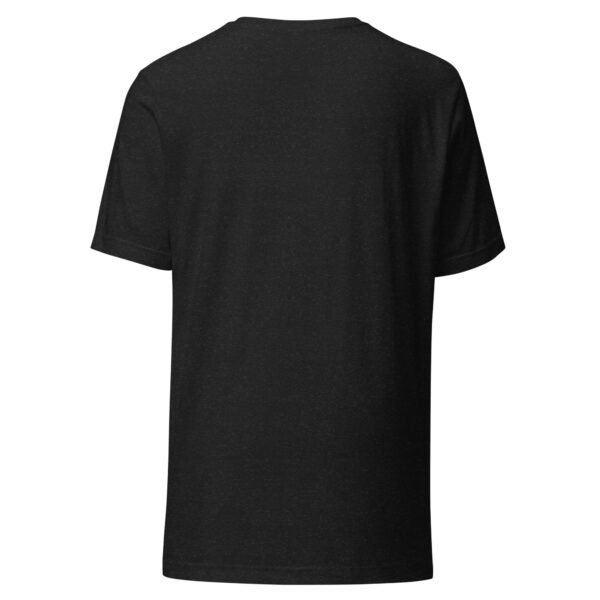
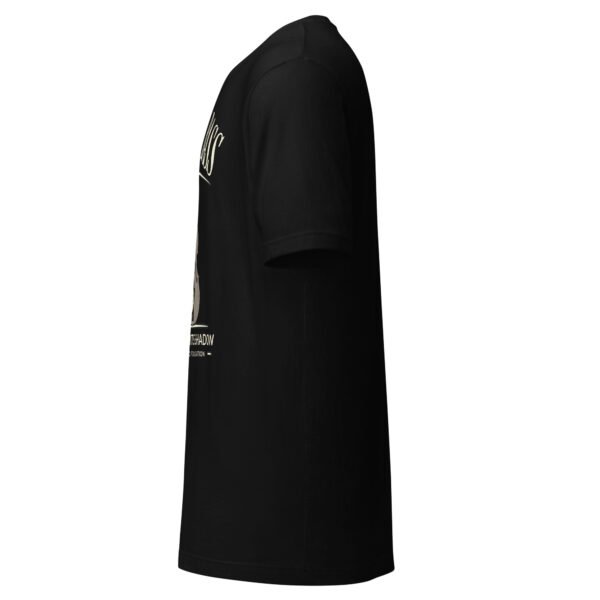
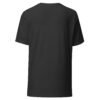
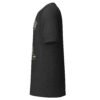
- 100% combed and ring-spun cotton
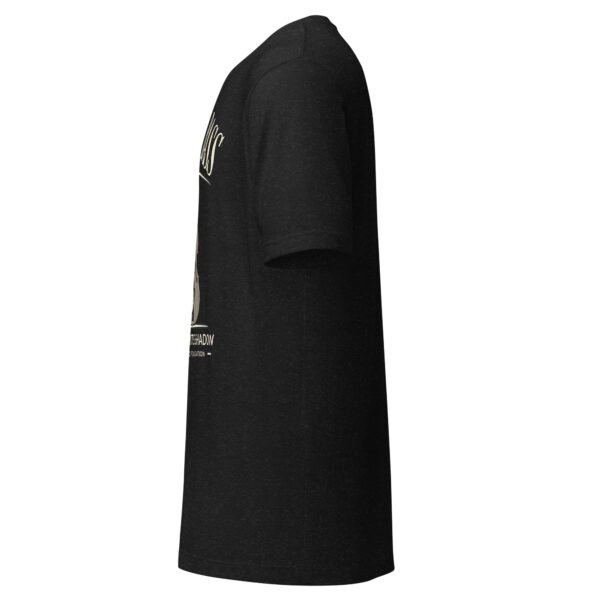
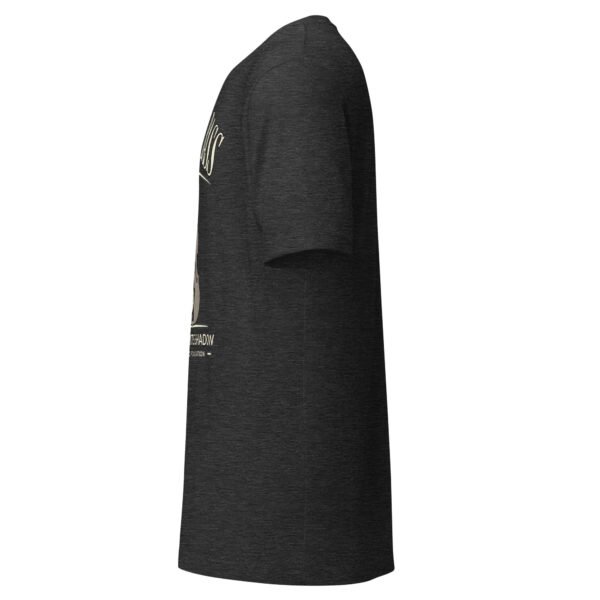
- Heather colors contain polyester
- Fabric weight: 4.2 oz./yd.² (142 g/m²)
- Pre-shrunk fabric
- Side-seamed construction
- Shoulder-to-shoulder taping
- Unisex fit
- Blank product sourced from Nicaragua, Mexico, Honduras, or the US
- Available in a range of sizes
Color Guide
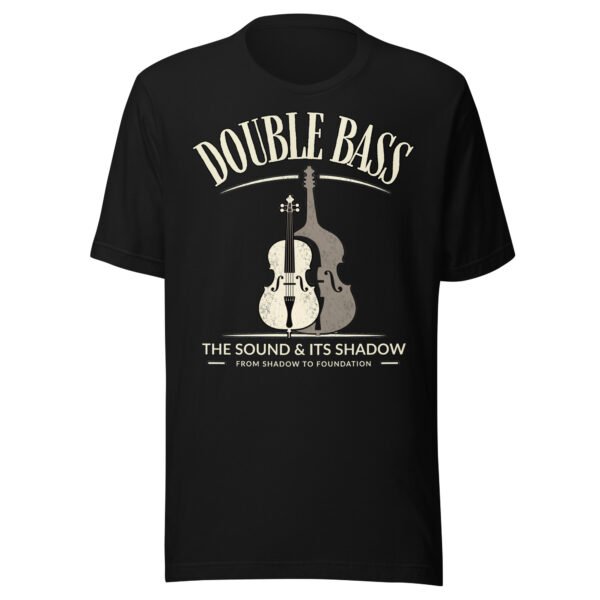
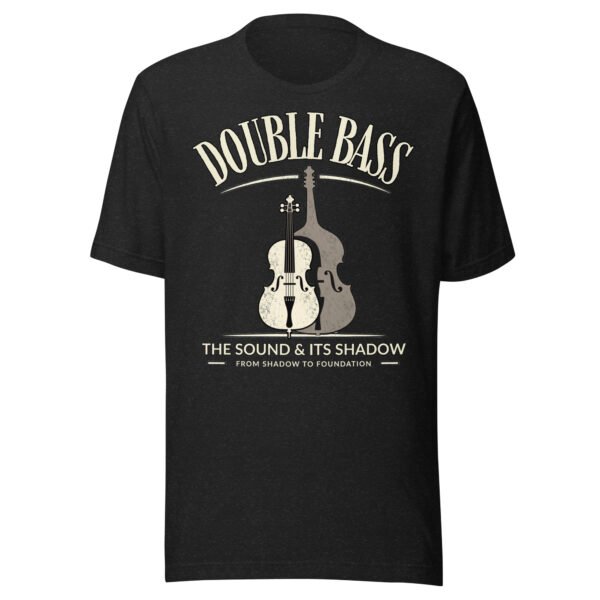
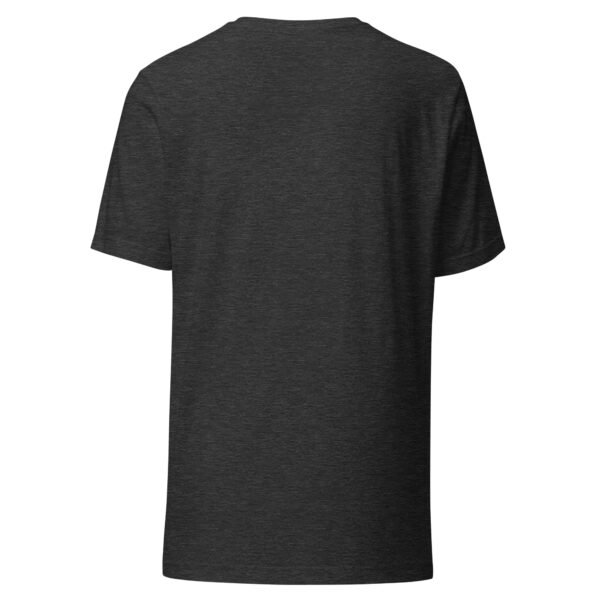
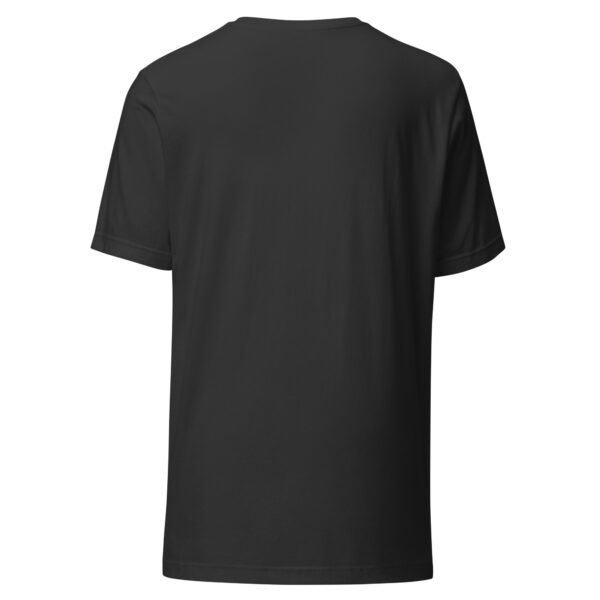
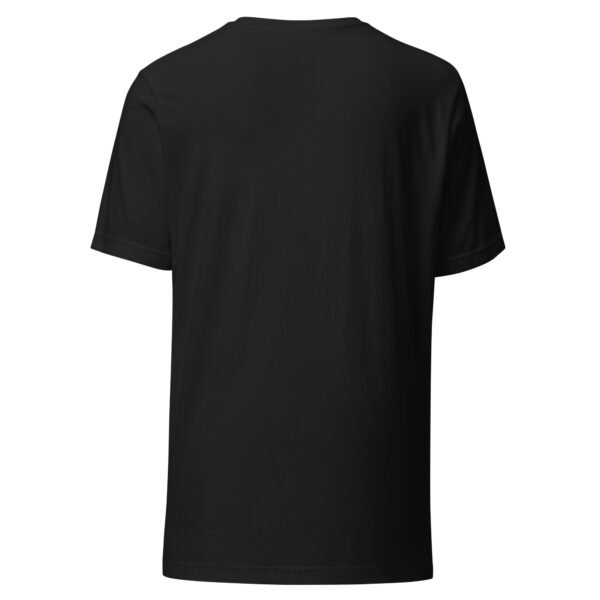
AP03 is currently available in five colors:
- Black
- Black Heather
- Dark Grey Heather
- Dark Grey
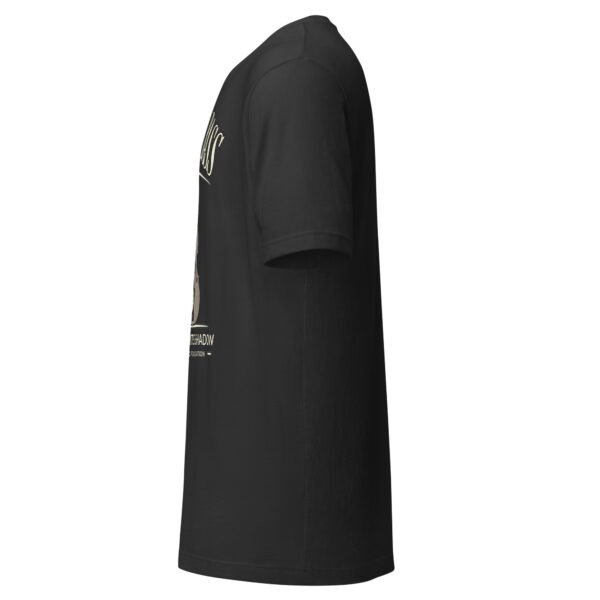
- Vintage Black
Note: Heather colors contain polyester, and the fabric may appear slightly different depending on lighting and screen settings.
Reviews
There are no reviews yet.